Winter in Chicagoland places unique stress on chimneys and masonry systems, even when everything looks fine from the driveway. Fireplaces may be in active use and providing warmth, but the structure surrounding them is dealing with freeze-thaw cycles, wind-driven moisture, and sharp temperature swings. Those conditions work quietly, often turning small, nearly invisible flaws into serious structural concerns. A clear understanding of how freeze-thaw damage forms helps homeowners act early and avoid expensive repairs later.
This guide breaks down what freeze-thaw damage looks like, why it accelerates during winter, and how to respond before minor cracking turns into spalling brick, water intrusion, and safety issues. Chicagoland homes often have older masonry and long-exposed chimney stacks, which makes winter deterioration more common than people realize. Most problems start with moisture, and most moisture problems start with a small opening somewhere in the system. A proactive plan that includes inspection, targeted repairs, and long-term water management keeps your chimney solid through the coldest months.
Masonry materials like brick and mortar are durable, but they are not waterproof and they are not immune to repeated saturation. When water enters the chimney system through hairline cracks, worn mortar joints, or a compromised top surface, that moisture can linger inside the masonry. As temperatures drop, trapped moisture freezes and expands, then thaws and contracts when the weather swings back above freezing. The cycle repeats often in Chicagoland, and that repetition steadily weakens brick faces, mortar bonds, and structural alignment.
Temperature swings matter as much as snowfall, because a chimney can freeze overnight, thaw in the afternoon sun, and refreeze again within hours. That constant movement works like a slow pry bar, widening cracks and loosening materials a little more each week. Wind adds another layer of stress because it drives rain and melting snow into joints and seams that would otherwise stay drier. Over time, the damage becomes visible as spalling, mortar loss, and shifting, but internal deterioration can start long before the exterior looks dramatic.
How Water Gets In: The Real Starting Point for Winter Chimney Damage
Freeze-thaw damage almost always begins with water intrusion, and water intrusion has a few common entry points that repeat across Chicagoland homes. Chimney tops are constantly exposed, so any crown cracking, missing cap coverage, or worn seal at the top becomes a direct path for moisture. Mortar joints on the vertical stack also take a beating, especially on older chimneys where mortar has softened and recessed over decades. Once water enters, it can travel through the masonry and find new routes to expand, which makes small problems grow quickly.
Roofline transitions are another frequent trouble spot, because the chimney-to-roof connection depends on properly installed and intact metal flashing. If flashing has separated, corroded, or loosened as surrounding masonry shifts, water can move into attic spaces and interior walls. In winter, small leaks often go unnoticed until stains show up on drywall or ceiling corners. If you suspect moisture intrusion, a targeted evaluation like a moisture intrusion and water damage chimney inspection helps pinpoint where water is entering and how far it has traveled.
Small Cracks Are Rarely Just Cosmetic in a Chimney System
One of the biggest misconceptions homeowners have is that small cracks in brick or mortar are purely aesthetic. In reality, those cracks often function like tiny funnels for water, especially during wind-driven rain and melting snow. Once moisture gets inside the masonry, freeze-thaw cycles begin accelerating the damage internally, and the crack you see is often only part of the story. Even a minor hairline fracture can widen quickly after a few hard freezes, especially when water repeatedly enters and expands.
Early cracking commonly leads to brick spalling, loose masonry, and structural instability when it is left unaddressed. A helpful reference point is The Deterioration Dilemma of Fireplace Bricks, which explains how initial damage can snowball into bigger repair needs once water becomes a recurring factor. Chimneys are tall, exposed structures, so deterioration tends to compound faster than people expect. That is exactly why a seasonal plan that includes certified evaluation is more protective than waiting for obvious failure.
Chimney Crowns and Top Surfaces: The Most Overlooked Winter Failure Point
The chimney crown is one of the most vulnerable components in the entire system because it is positioned at the top and takes direct exposure from snow, rain, and ice. When crowns crack or deteriorate, water runs directly into the masonry below, which makes freeze-thaw damage much more aggressive. Many winter service calls trace back to crown failure that went unnoticed during warmer months, simply because the top of the chimney is hard to see from the ground. Small crown fractures also widen quickly when water freezes inside them, which creates a repeatable pattern of expansion and breakdown.
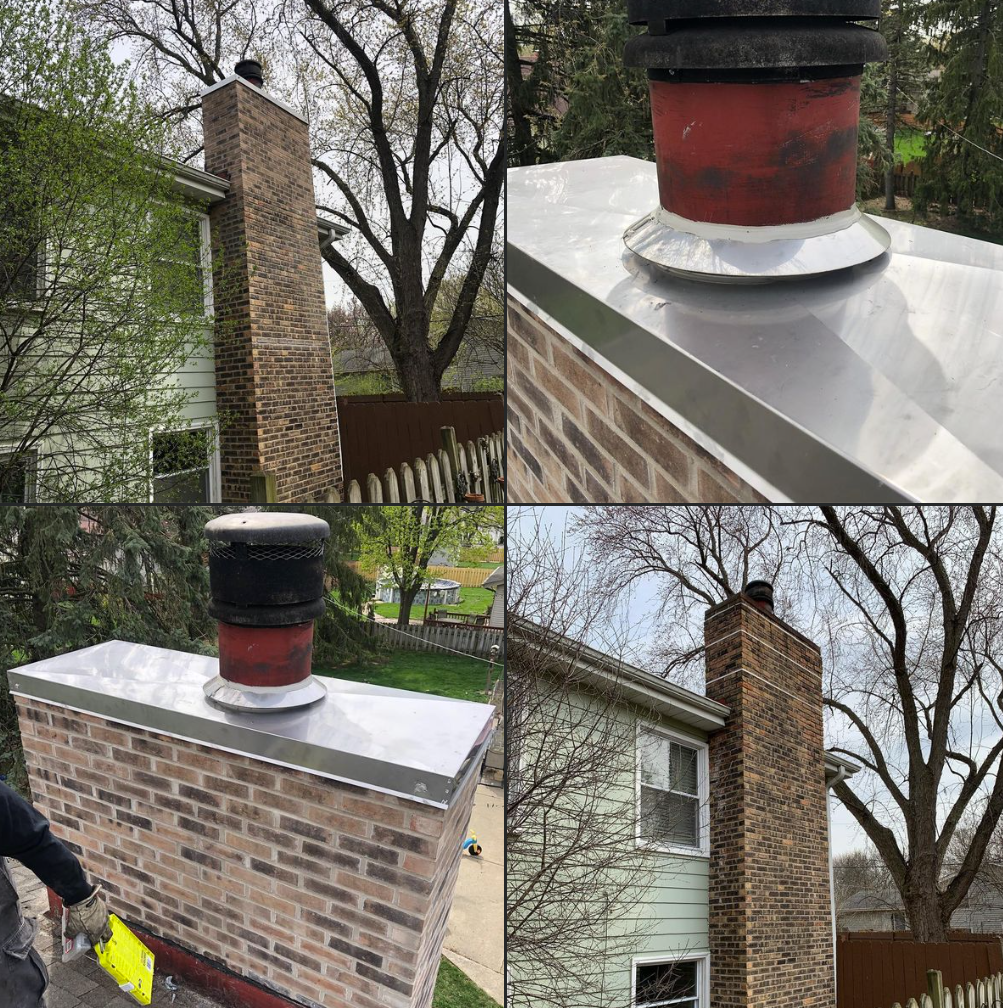
A professional assessment that looks at the crown, cap coverage, and roofline sealing can catch early problems before water penetrates deeper into the structure. A service like a chimney cap, crown, and flashing inspection is designed to evaluate those specific weak points and document what is failing and why. Addressing crown issues early often prevents the need for larger repairs later, especially if the masonry below is still structurally sound. When the chimney top is stabilized and water is controlled, the entire system tends to last longer and perform more predictably.
Brick Spalling and Mortar Loss: Exterior Warning Signs That Matter
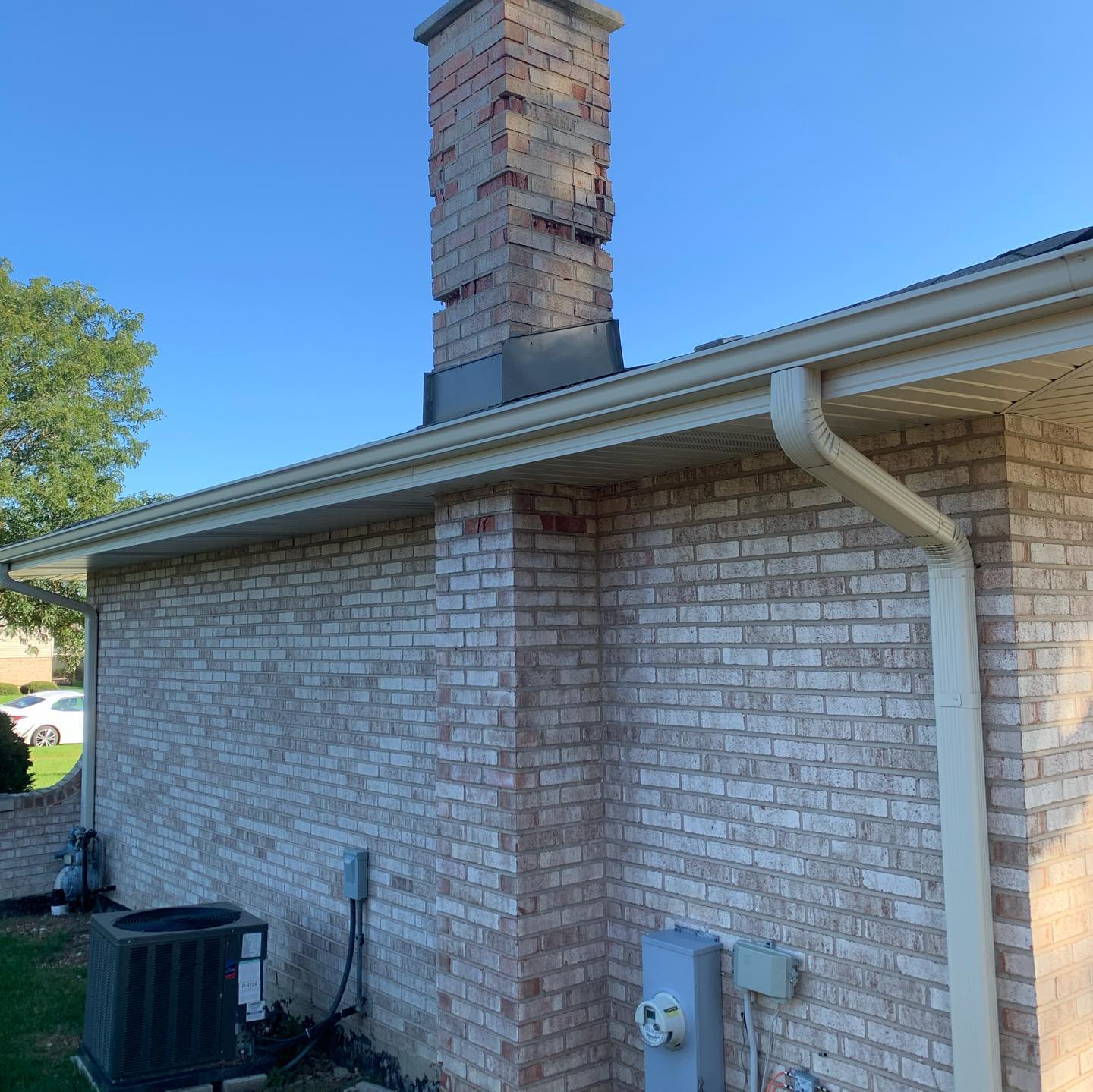
As freeze-thaw damage progresses, visual symptoms often begin appearing on the exterior of the chimney. Brick faces may start flaking or crumbling, mortar joints may recede or fall out, and staining may develop where moisture is trapped and evaporating unevenly. These changes are not just cosmetic, because spalling bricks lose their protective face and exposed brick becomes more porous. That increased porosity invites more water, which increases the speed of freeze-thaw deterioration the next time temperatures drop.
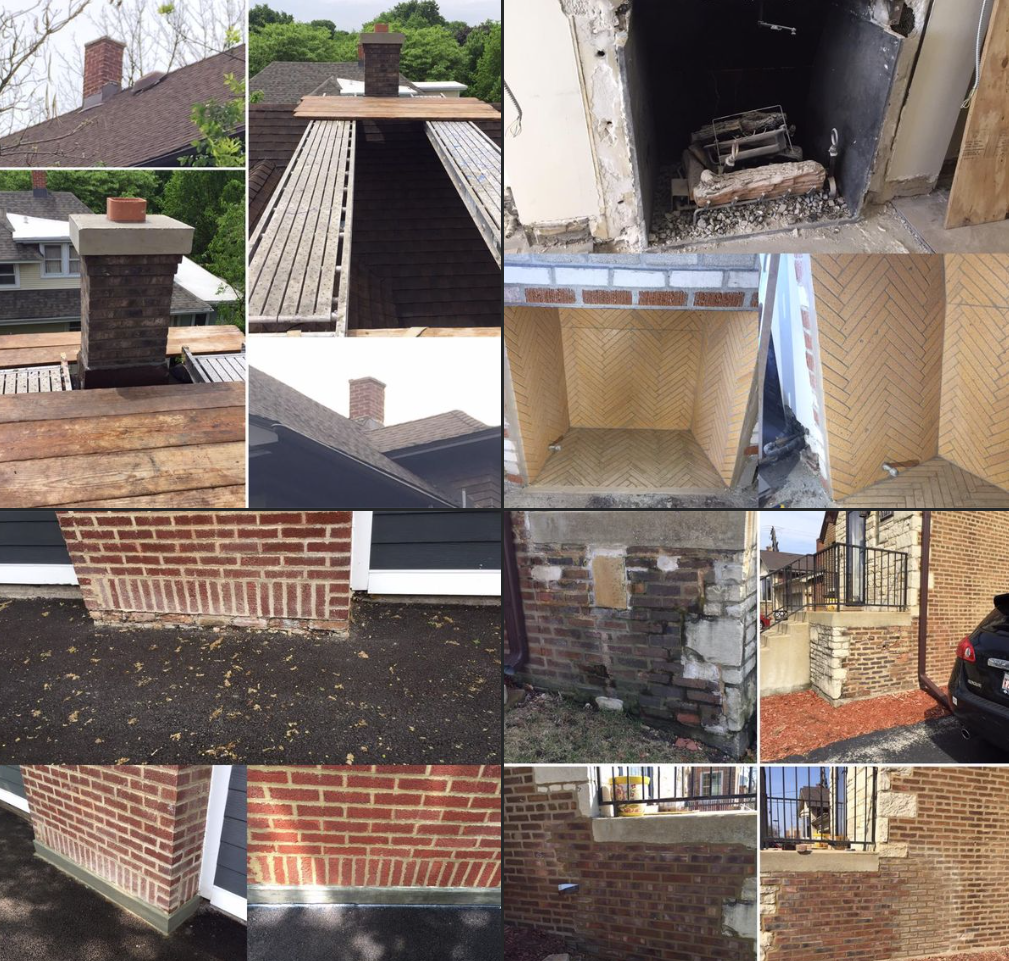
When these signs appear, repair work that restores the masonry envelope becomes time-sensitive rather than optional. Services such as tuckpointing for brick and stone can replace failing mortar joints and reestablish strength at the seams that hold the structure together. More advanced cases may require targeted structural work through chimney repair services to replace damaged brick, correct shifting, and stop water from driving deeper into the chimney. For older homes, the right masonry approach also preserves architectural character while improving performance and safety.
Flashing Problems and Interior Leaks: When Winter Damage Moves Indoors
Freeze-thaw damage does not always stay confined to the chimney stack, because shifting masonry often affects roofline sealing. Flashing is the metal system designed to keep water out where the chimney meets the roof, and it can become compromised as masonry cracks, settles, or separates at key joints. Once flashing fails, water can travel into attic spaces, ceilings, and interior walls, which creates staining and potential long-term moisture issues. Many winter leaks tied to the chimney are mistaken for a roof problem, but the roof may be fine while the chimney connection is failing.
A certified inspection can determine whether moisture intrusion is coming from flashing separation rather than roofing materials, which helps avoid wasted repairs. A combined evaluation that includes moisture pathways and top-of-chimney entry points is often the fastest way to find the true source. If interior staining has already begun, scheduling a moisture intrusion and water damage chimney inspection can clarify what is happening behind the surfaces you can see. When water is stopped at the correct point of entry, interior damage usually stabilizes instead of spreading to new areas.
Inspection Levels and Timing: When Routine Becomes Urgent
Not all chimney inspections are the same, and winter conditions can push an inspection from routine into urgent territory quickly. A standard annual evaluation is helpful, but freeze-thaw problems often require a closer look at internal components, joints, and hidden pathways for water. Unusual odors, smoke behavior changes, or visible masonry deterioration can signal that the system is under stress beyond normal seasonal wear. Acting early can prevent partial failure that forces more invasive repairs later.
Homeowners looking for a professional evaluation can start with certified chimney inspections, which help determine the appropriate level of assessment based on condition and risk. For ongoing planning, an annual chimney maintenance and inspection creates consistency and helps catch small problems before winter intensifies them. A deeper understanding of why inspection timing matters is covered in The Importance of Chimney Inspection, which explains how early detection protects both safety and long-term cost. When the inspection matches the condition of the chimney, repairs become more targeted and less disruptive.
Red Flags That Deserve a Fast Inspection
Strong odors coming from the fireplace or flue, especially after temperature swings or wet weather.
White staining or efflorescence on masonry, which often indicates moisture movement through brick and mortar.
Pieces of brick, mortar, or tile appearing near the base of the chimney or in the firebox area.
Draft changes, smoke entering the home, or a fireplace that suddenly behaves differently than it used to.
Interior water staining near the chimney, especially on ceilings, upper walls, or attic framing.
Why Sweeping Still Matters When the Main Concern Is Moisture
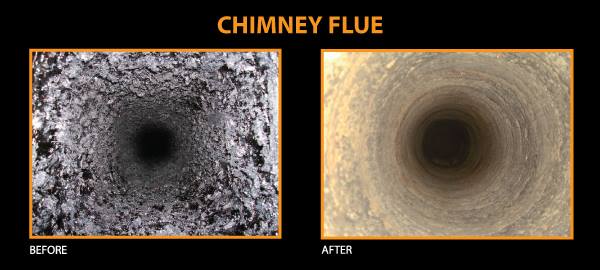
Freeze-thaw damage and creosote buildup are different issues, but they often show up in the same season because winter is when fireplaces see the most use. A chimney that is drafting poorly due to blockages or deposits may also be a chimney that stays colder and holds moisture longer, which can contribute to winter stress. Cleaning also gives technicians a clearer view of internal conditions, because heavy buildup can hide cracks, liner issues, and other warning signs. A well-timed cleaning is often part of a broader winter readiness plan rather than a standalone task.
If sweeping is due, scheduling chimney cleaning and sweeping in the early spring can be especially practical, because it follows the heaviest use period and lines up with repair season. An additional deep explanation of why sweeping supports long-term performance is covered in Chimney Sweeping Services in Chicagoland, which connects maintenance to both safety and system longevity. The cleaner the system is, the easier it becomes to evaluate how moisture and cold are affecting draft, brickwork, and liner condition. Maintenance that includes both safety and structural awareness tends to reduce surprise issues mid-winter.
Draft Changes and Smoke Behavior Can Signal Winter Deterioration
Homeowners often notice the effects of winter chimney stress before they notice exterior damage, especially when draft behavior changes. A chimney that drafts well typically moves smoke and combustion gases up and out efficiently, but moisture intrusion, liner issues, and structural gaps can disrupt that movement. Cold, wet masonry can also change how the flue warms up, which affects early-burn performance and smoke behavior. If smoke is entering the room, or if the fireplace feels different week to week, the system may be telling you something has shifted.
When draft issues appear, diagnostic evaluation such as chimney draft and airflow testing can identify whether the problem is related to airflow restriction, pressure changes, or structural openings that need repair. Draft problems can also overlap with moisture issues, because water intrusion can damage liners and create pathways for air leaks that reduce performance. A targeted approach avoids guesswork and keeps repairs tied to measurable issues rather than assumptions. The end goal is a chimney that drafts consistently and safely, even during the coldest stretches of the season.
Waterproofing and Moisture Management: The Best Long-Term Defense
One of the most effective ways to reduce freeze-thaw damage is proactive moisture management, because controlling water controls the root cause of the cycle. Professional waterproofing is not the same as coating a chimney with a surface sealant, because quality treatments are designed to be breathable. Breathable protection allows trapped moisture to escape while limiting new water from soaking into the masonry. When moisture can exit instead of accumulating, freeze-thaw expansion becomes less destructive and less frequent.
The article Waterproofing Your Chimney: Critical for Longevity explains how properly applied waterproofing can slow deterioration and extend the lifespan of chimney systems in cold climates. Waterproofing is most effective after the masonry is repaired, because sealing a chimney that still has open joints or failing crown conditions does not solve the entry-point problem. A layered approach that includes restored mortar, stable crown conditions, and water management produces better outcomes than any single fix. When moisture is controlled, the chimney tends to stay structurally stable through repeated Chicagoland winters.
When Freeze-Thaw Damage Escalates Into Structural Repairs
When early warning signs are ignored, freeze-thaw damage can progress beyond simple brick-and-mortar repairs and move into structural instability. Chimneys may begin leaning, separating from the home, or losing load-bearing integrity at key sections of the stack. At that stage, spot repairs can become less reliable because the system is no longer stable enough to hold patched sections without continued movement. Safety becomes the priority, especially if brick faces are dropping, joints are opening, or interior components are compromised.
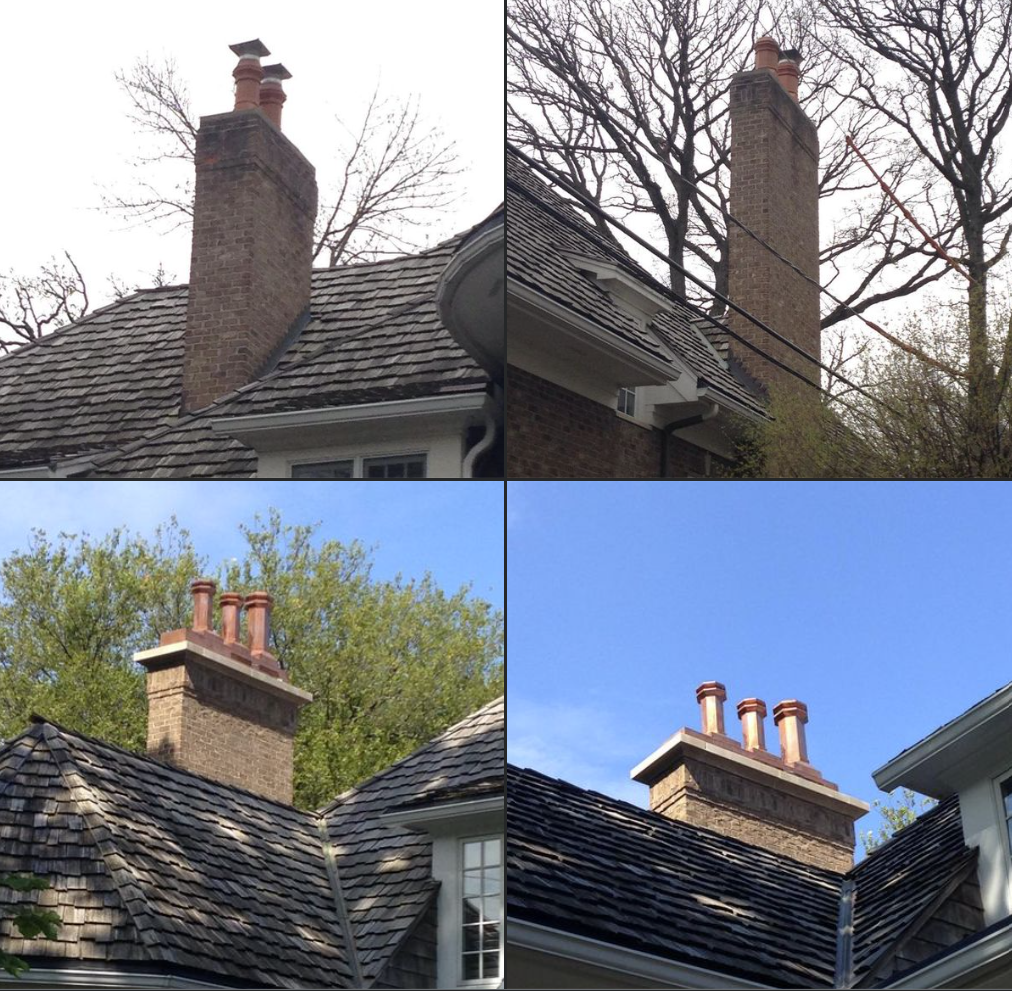
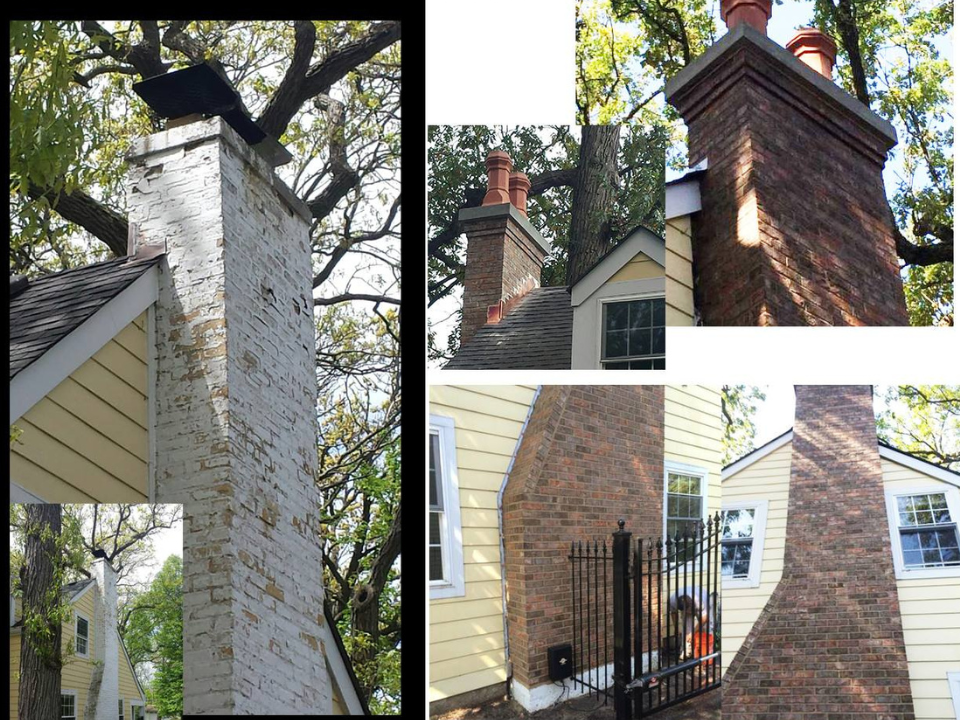
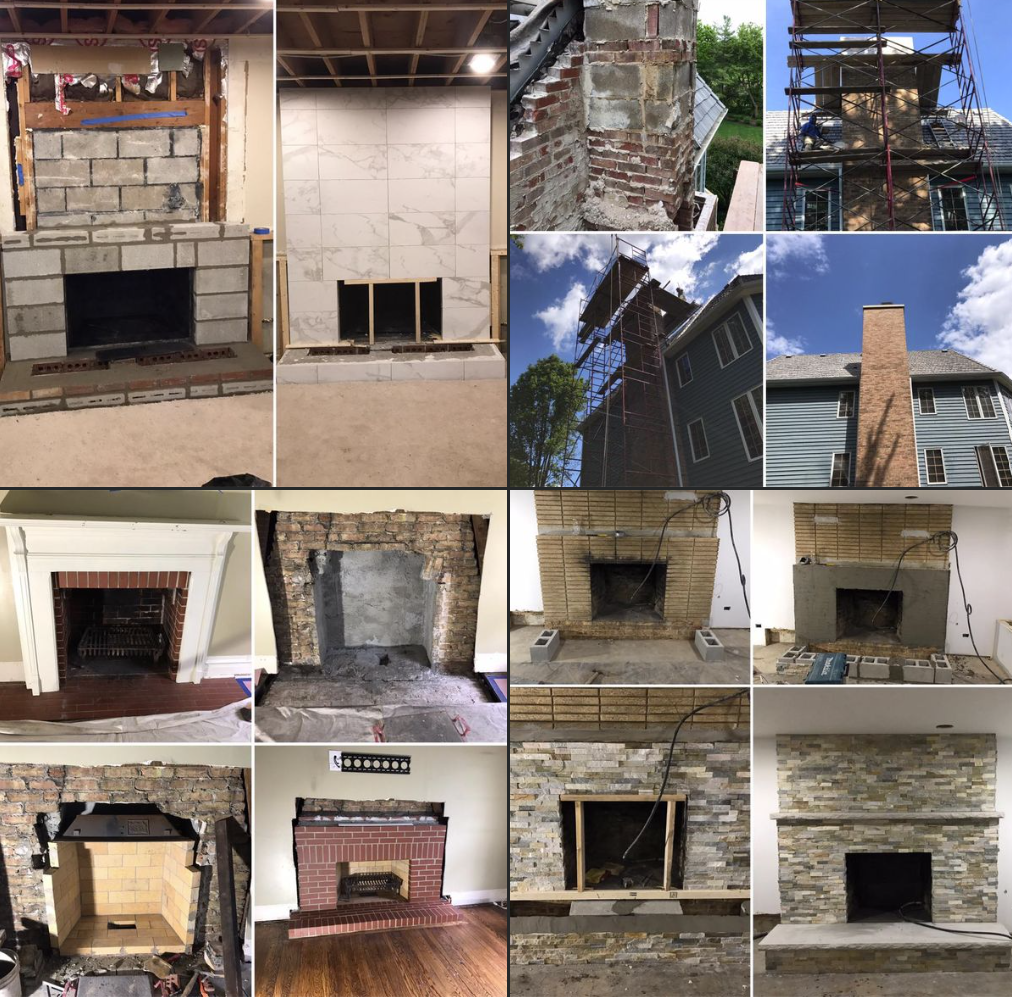
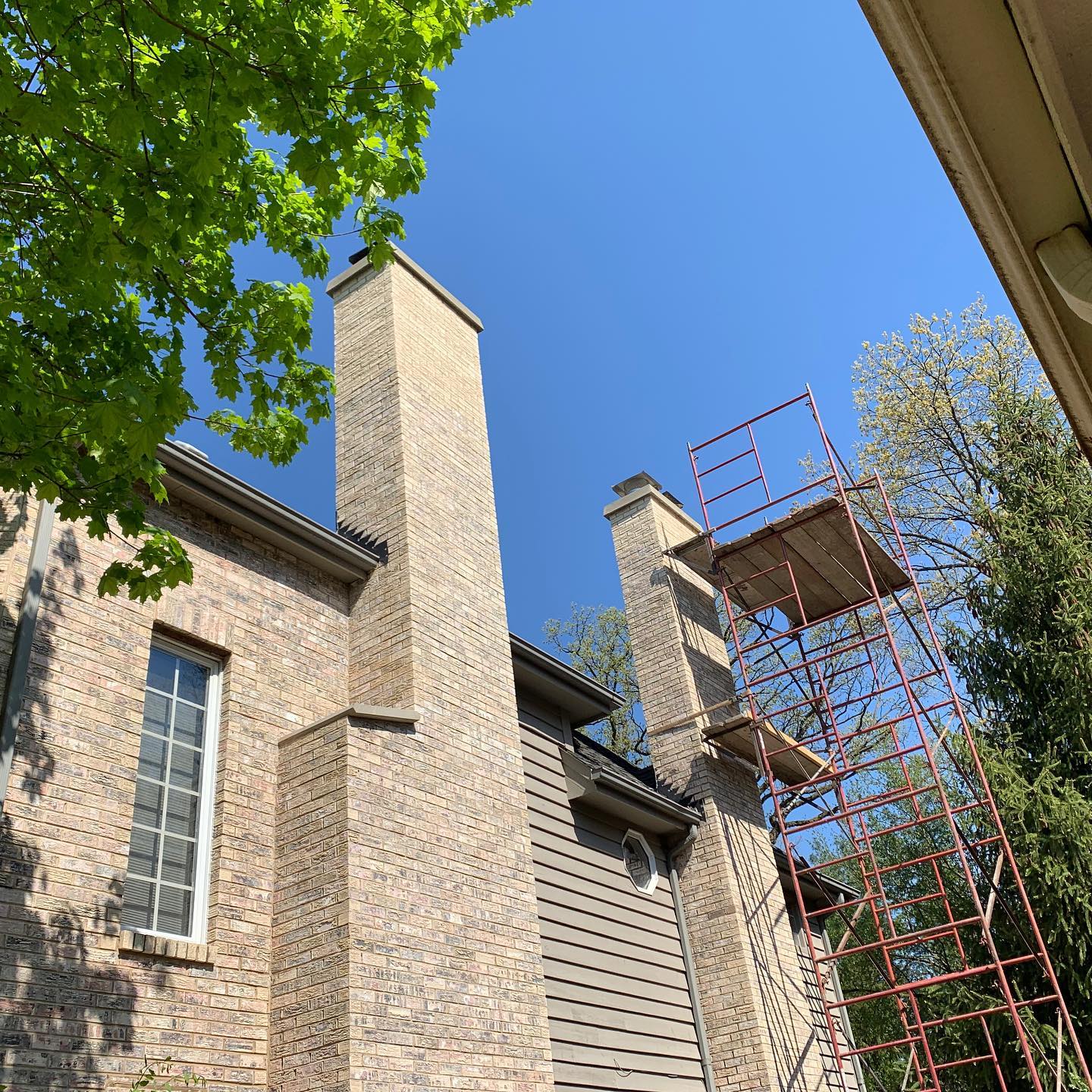
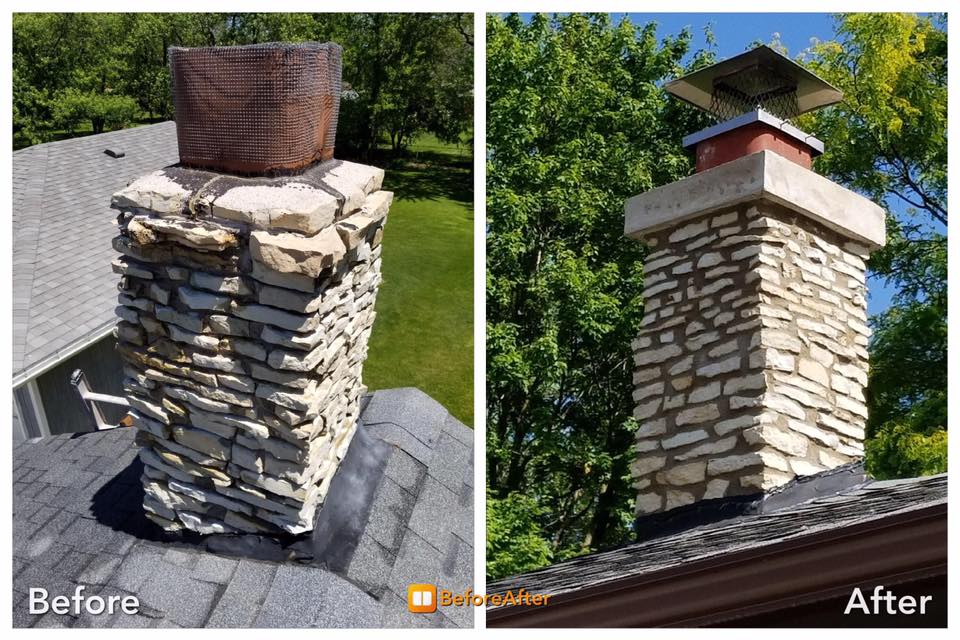
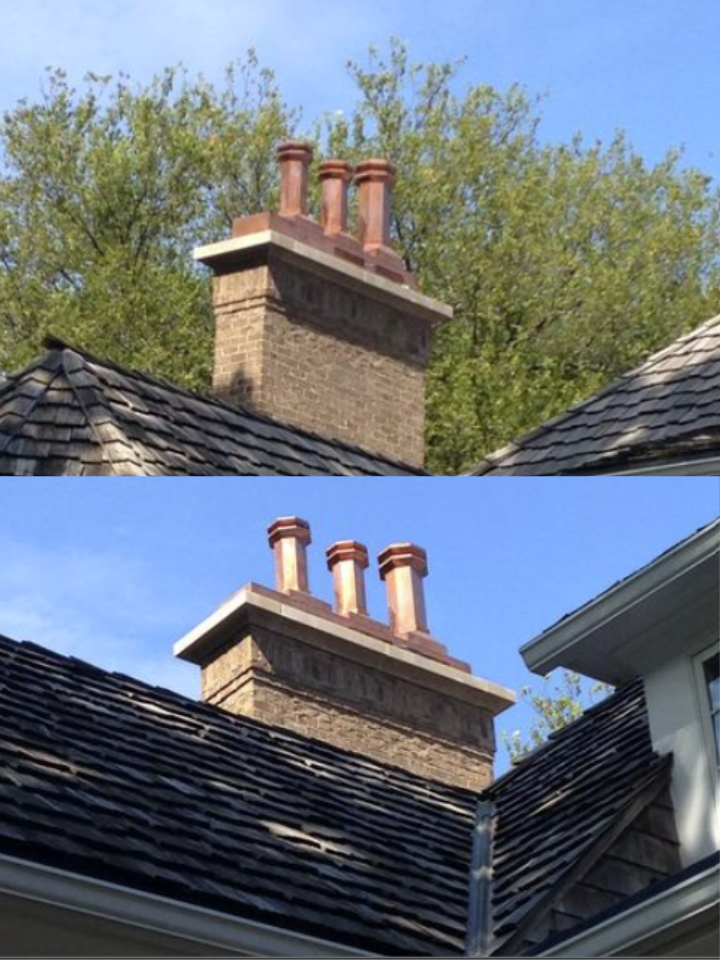
Homes with advanced deterioration often require more comprehensive work such as chimney rebuilds and restorations to ensure safety and code alignment. These projects are more involved, but they also allow underlying problems to be corrected instead of repeatedly patched. Visual examples can help homeowners understand what restoration really looks like, and the fireplace and chimney projects section shows how structural repairs can improve safety while also restoring a clean, finished appearance. A rebuild is not a routine outcome, but it becomes the right solution when the chimney is no longer structurally dependable.
Spring Planning: When Winter Damage Finally Shows Itself
Winter damage does not stop when the snow melts, because spring thaw often reveals the full extent of freeze-thaw deterioration that developed during colder months. Cracks can open wider, spalled brick faces can break loose, and mortar joints can show sudden recession once temperatures stabilize and water movement changes. That is why early spring is a strong time to schedule inspections and repair planning, especially if winter was wet or temperature swings were frequent. Repairs also tend to be more efficient during stable weather, which helps ensure materials cure and hold properly.
Spring planning often includes a combination of cleaning, inspection, and targeted masonry work to prepare for the next burning season. A maintenance path that begins with chimney cleaning and sweeping and follows with an annual chimney maintenance inspection gives homeowners a clear picture of both safety and structural condition. When repairs are handled early, the system enters the next winter stronger and less vulnerable to moisture cycling. This approach reduces emergency calls and keeps decisions calm instead of reactive.
Local Construction and Exposure Differences Across Chicagoland
Chimney performance and deterioration vary by location because construction styles, housing age, and exposure to wind and moisture are not consistent across the region. Historic neighborhoods often have older masonry systems with original mortar that has softened over time, while newer homes may have different venting configurations and roofline connections. Wind exposure also changes drastically depending on tree cover, building density, and open landscape patterns, which affects how rain and snow hit the chimney. A repair plan that fits one home may be incomplete for another, even within the same county.
Working with a team that understands broad Chicagoland patterns helps ensure inspections and repairs reflect real local conditions rather than generic assumptions. Resources like Chicago chimney and masonry services, Naperville chimney and masonry services, and Oak Park chimney and masonry services highlight how common needs can shift community to community. Regional awareness helps prioritize the right repairs, especially when moisture entry points are subtle and conditions change quickly. A local-first approach usually produces more accurate diagnosis and longer-lasting repair work.
Stay Ahead With Education and a Clear Service Roadmap
Homeowners gain a major advantage when they understand what winter deterioration looks like and what it tends to lead to if ignored. The best outcomes usually happen when small issues are corrected early, because that stops water intrusion before freeze-thaw expansion does the heavy damage. Education makes it easier to recognize when a crack is not just a crack, and it also makes it easier to spot patterns like staining, spalling, or draft changes. An informed homeowner can plan repairs on schedule instead of reacting to urgent failure.
A good starting point for service planning is the broader overview of chimney and masonry services, which helps connect symptoms to the correct repair category. For homeowners dealing with water-driven deterioration, Properly Addressing Chimney Masonry Repairs After Water Damage offers added context on how restoration work is approached when moisture has already done visible harm. When education, inspection, and repairs work together, the chimney stays safer and the home stays better protected against winter moisture. A clear roadmap removes uncertainty and keeps maintenance decisions grounded.
Safety, Comfort, and Peace of Mind Through the Rest of Winter
Freeze-thaw damage rarely announces itself loudly, and it often develops season after season until a small crack becomes a structural concern. A proactive approach that combines inspection, masonry maintenance, moisture control, and seasonal scheduling keeps your fireplace operating safely and your chimney structurally stable. Small repairs are usually more straightforward, more affordable, and easier to complete in a planned way than emergency rebuild work. The goal is not perfection, but consistent protection against the conditions Chicagoland winters deliver every year.
Homeowners ready to take the next step can explore the team and process on the about page and review real outcomes in the projects gallery. If you want a professional assessment of cracks, spalling, crown damage, or winter leak risk, scheduling is simple through the free quote request. A clear plan now protects your home through the rest of winter and sets your chimney up for the next season with confidence. Early action keeps small problems small.
Explore the functionality of Round Cap Dampers with Solid Pack Mesh. This all-in-one chimney solution offers weather resistance, draft control, and protection from debris and pests.
Experience timeless beauty with Old English Oak Gas Logs from Chicagoland Fireplace & Chimney Restoration. Hand-detailed realism, clean heat performance, and lasting ceramic durability.
Explore the C3 Double Burner—designed for rich, multidimensional flames and even heat. Ideal for gas fireplaces seeking realistic appearance and strong heating performance.
Winter can leave hidden damage in fireplace and chimney systems. Learn the spring repair signs Chicagoland homeowners should address before problems grow.
Chicagoland Fireplace & Chimney Restoration is hiring certified chimney technicians and in-house CSR roles. Experience considered with path to certification. Apply today.
Annual chimney cleaning helps reduce creosote buildup, improve draft, and spot blockages before winter use. Professional sealing adds a vapor-permeable barrier that repels rain and snow without trapping moisture in masonry. Chicagoland freeze-thaw cycles can accelerate cracking and spalling when water gets into brick and mortar. Get a free quote from Chicagoland Fireplace & Chimney Restoration Company.
Request a Free Fireplace, Chimney, or Masonry Estimate
Get expert help from Chicagoland’s trusted chimney and masonry team. Whether you need a certified inspection, professional cleaning, or a complete restoration, our specialists deliver quality service at transparent rates.
We’ll assess your system, answer your questions, and provide honest recommendations for keeping your home safe and efficient. Fill out the form below, and our team will contact you to schedule your appointment or provide a free quote.
Thank you! Your submission has been received!
Oops! Something went wrong while submitting the form.
.jpg)



.png)
.png)

.png)