Custom Copper Chimney Lid
The Custom Copper Chimney Lid offers sleek, long-lasting chimney protection with handcrafted copper design. Ideal for minimalist or traditional rooflines.
Read More
.jpg)
A fireplace creates comfort, warmth, and atmosphere — but only when the system behind it is safe and properly maintained. Every wood-burning fire leaves behind soot, ash, creosote, carbon residue, and airborne byproducts that settle inside the chimney flue. Over time, this buildup becomes a serious hazard. Professional chimney sweeping is the key service that prevents these materials from restricting airflow, damaging the chimney liner, and increasing the risk of chimney fires.
Chicagoland Fireplace & Chimney Restoration provides trained, certified chimney technicians throughout the region, delivering chimney sweeping services that adhere to proper safety standards and industry-approved cleaning procedures. Sweeping connects directly to other essential components of fire safety: chimney inspections, chimney caps, waterproofing, brick repairs, masonry restoration, tuckpointing, and system maintenance.
Whether you have a wood-burning fireplace, a gas fireplace, a historic masonry chimney, or a modern flue-lined system built into newer construction — chimney sweeping protects your investment, your home, and the people inside it.
.png)
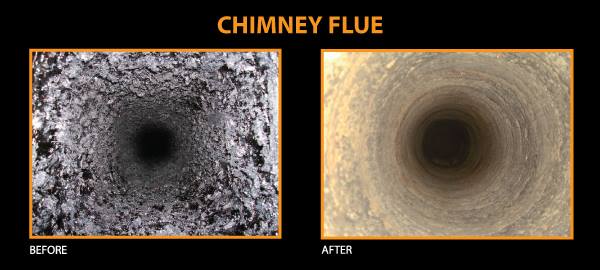
Chimney sweeping isn’t cosmetic — it’s a critical fire-prevention safety measure. Each time a fire burns, especially wood, particles from incomplete combustion accumulate inside the chimney flue. Over time, this buildup thickens into flammable deposits that can ignite during high-temperature burns.
These internal residues restrict airflow inside the chimney, forcing smoke, odor, and toxins into the living space rather than venting outside. Sweeping removes these deposits before they become dangerous. Without professional removal, buildup continues compacting and hardening — making cleaning more difficult, more expensive, and eventually a structural safety concern.
To better understand the safety risks and the role sweeping plays in prevention, the article below provides helpful detail:
👉 Why Regular Chimney Cleaning Matters for Fire Safety
https://www.chicagolandfireplacechimney.com/fireplace-blog/why-regular-chimney-cleaning-matters-for-fire-safety
Not all chimney service providers operate at the same standard. Certified chimney technicians undergo extensive training to understand the structure, airflow mechanics, drafting science, and combustion safety considerations of modern and older chimney systems.
Certified sweeping technicians are trained to:
Certification ensures sweeping isn’t performed blindly — it’s done with precision and understanding of the entire fireplace and venting system. For homeowners in older Chicagoland properties, especially those with aging brick or mortar, experience matters. Many related masonry topics appear in the blog below:
👉 Mortar Matters: Tuckpointing Services for Indoor & Outdoor Fireplaces
https://www.chicagolandfireplacechimney.com/fireplace-blog/mortar-matters-tuckpointing-services-for-indoor-outdoor-fireplaces

Professional chimney sweeping removes several types of buildup — and each one has a unique set of risks.
Creosote forms in multiple stages:
Just 1/8" of creosote is enough to warrant cleaning — and far less can ignite.
Fine carbon residue that restricts airflow, stains masonry, and increases odor.
Small particles accumulate in the flue, restricting draft and allowing odor seepage.
Birds, squirrels, raccoons, nesting material, and insects often block chimneys without caps.
Falling mortar, cracked brick, or compromised clay liner tiles accumulate in poorly maintained systems — often indicating deeper structural issues.
For moisture-related deterioration, this article provides additional context:
👉 Chimney Masonry Repairs After Water Damage | Comprehensive Restoration
https://www.chicagolandfireplacechimney.com/fireplace-blog/chimney-masonry-repairs-after-water-damage-comprehensive-restoration

The general rule is at least once every year — even if you don’t use the fireplace frequently.
Chimneys should be swept more often if:
Even infrequent use can create dangerous buildup, especially when combined with moisture or poor ventilation.
For timing and scheduling advantages outside peak heating season, explore this resource:
👉 Spring and Summer Chimney Cleaning: 12 Reasons to Schedule Your Service Now
https://www.chicagolandfireplacechimney.com/fireplace-blog/spring-and-summer-chimney-cleaning-12-reasons
Professional sweeping is systematic and carefully controlled. Certified technicians typically follow a process similar to the outline below:
Technicians confirm chimney type, materials, existing damage, and creosote stages.
The fireplace opening is sealed to prevent dust migration. Furniture, flooring, and surrounding areas are protected.
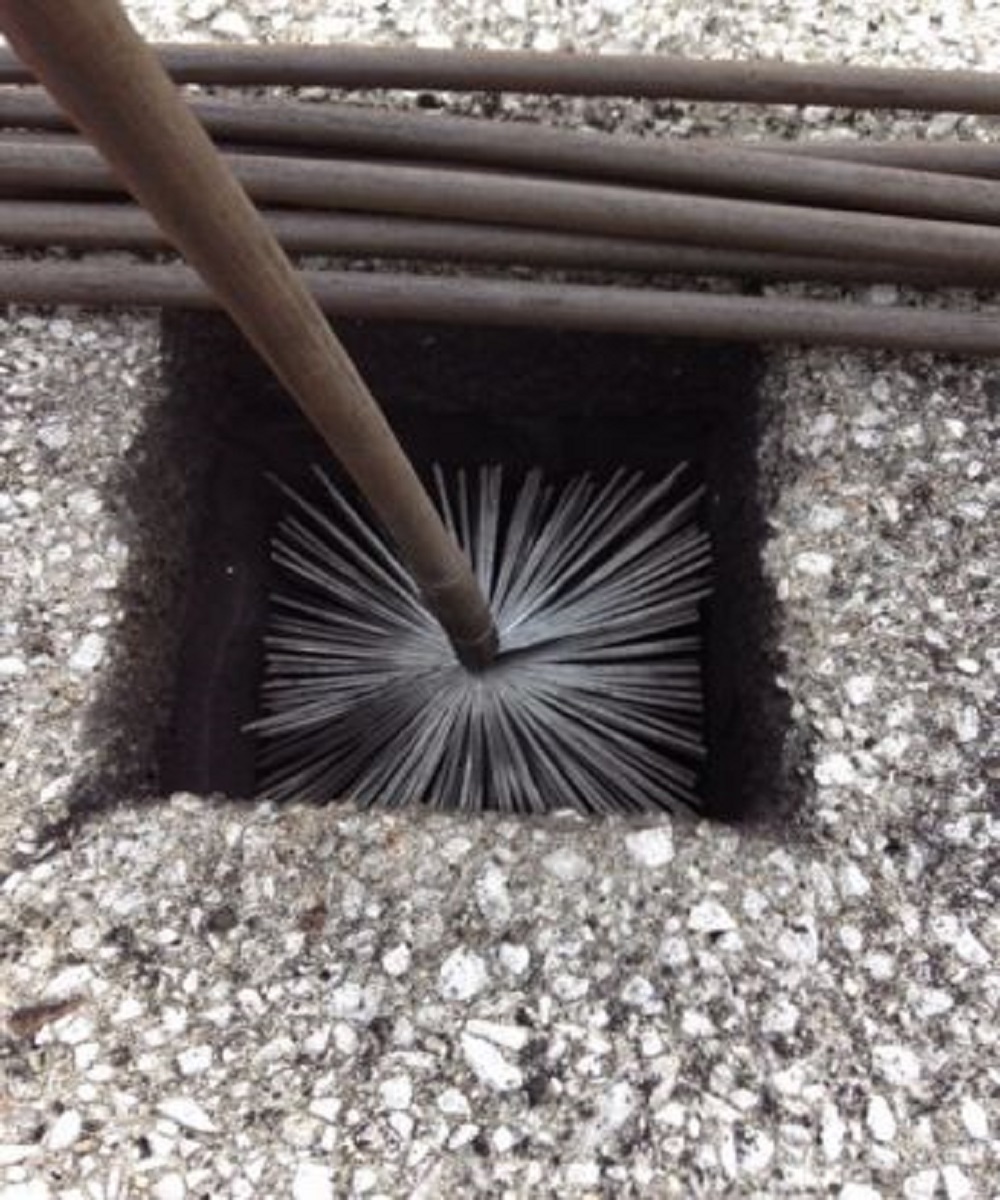
Tools are selected based on liner type, residue severity, and chimney age.
High-grade professional vacuums with HEPA filtration remove loosened debris cleanly.
Camera sweep verifies cleanliness and identifies cracks, blockages, or liner issues.
Sweeping reveals conditions that are otherwise invisible — including structural deterioration, moisture intrusion, draft problems, or damaged accessories.
For in-depth system maintenance, this linked article provides grounding:
👉 What You Need to Know About Your Fireplace
https://www.chicagolandfireplacechimney.com/fireplace-blog/what-you-need-to-know-about-your-fireplace

Sweeping exposes internal chimney surfaces, revealing damage that inspections alone cannot see.
Common issues uncovered include:
These structural risks often connect directly to topics covered in:
👉 The Deterioration Dilemma of Fireplace Bricks: Causes, Risks, and Repairs
https://www.chicagolandfireplacechimney.com/fireplace-blog/the-deterioration-dilemma-of-fireplace-bricks-causes-risks-repairs
Moisture is one of the primary forces that accelerates chimney deterioration. When sweeping exposes flaking masonry, rust, internal staining, or evidence of water penetration — waterproofing becomes the next critical step.
To understand how moisture impacts chimneys long-term, review:
👉 Waterproofing Your Chimney: Why It’s Critical for Longevity
https://www.chicagolandfireplacechimney.com/fireplace-blog/waterproofing-your-chimney-critical-for-longevity
Sweeping helps clear obstructions — but it also helps verify whether the chimney cap or damper is working properly. When caps are missing or damaged, sweeping may reveal nests, mold, feathers, seeds, twigs, and organic blockage.
A reliable reference on identifying when to replace a chimney cap is available here:
👉 How to Know When It’s Time for Chimney Cap Replacement or Installation
https://www.chicagolandfireplacechimney.com/fireplace-blog/how-to-know-when-its-time-for-chimney-cap-replacement-or-installation
Gas fireplaces do not produce creosote at the same level as wood-burning fireplaces — but they still require sweeping and maintenance. Debris, soot, construction dust, spiderwebs, and small blockages can significantly restrict proper venting.
Homeowners comparing gas, wood, or alternative systems can review:
👉 Understanding Types of Fireplace Options in Chicagoland: Wood, Gas, Electric & Outdoor Styles
https://www.chicagolandfireplacechimney.com/fireplace-blog/types-of-fireplaces
Historic Chicago-area homes often have original brick chimneys, clay liners, or mortar that has weakened over decades. Sweeping safely cleans the system in a way that preserves structural integrity.
This topic connects directly to:
👉 The Long-Term Value of Brick Fireplace Restoration in Older Homes
https://www.chicagolandfireplacechimney.com/fireplace-blog/the-long-term-value-of-brick-fireplace-restoration-in-older-homes
Lenders, inspectors, insurers, and potential buyers increasingly require documentation proof of chimney sweeping and maintenance. A clean chimney is considered a functional and safety-relevant system, especially when the home features an active fireplace.
For homeowners preparing to sell or refinance, sweeping paired with inspection protects property value and reduces negotiating leverage for buyers requesting concessions later.
Call a certified chimney technician if you notice:
If your chimney shows any deterioration, sweeping becomes urgent — not optional.

Chimney sweeping protects your home from preventable hazards. It improves airflow, removes dangerous creosote buildup, enhances energy efficiency, prevents smoke backup, preserves masonry stability, and ensures your fireplace is safe to use throughout heating season.
Whether your home contains modern gas logs, a traditional masonry firebox, or a wood stove insert, sweeping keeps your system operating as intended.
All educational fireplace topics live here:
https://www.chicagolandfireplacechimney.com/blog
https://www.chicagolandfireplacechimney.com
https://www.chicagolandfireplacechimney.com/schedule-a-free-quote

The Custom Copper Chimney Lid offers sleek, long-lasting chimney protection with handcrafted copper design. Ideal for minimalist or traditional rooflines.

Explore 1/4" StarFire Fire Glass—transparent, elegant, and perfect for highlighting clean flame movement in modern gas fireplaces and fire pits.

Explore 1/4" Solex Fire Glass—earthy green fire media designed to bring soft, natural color and clean-burning performance to fireplaces and fire pits.
Winter can leave hidden damage in fireplace and chimney systems. Learn the spring repair signs Chicagoland homeowners should address before problems grow.
.png)
Chicagoland Fireplace & Chimney Restoration is hiring certified chimney technicians and in-house CSR roles. Experience considered with path to certification. Apply today.
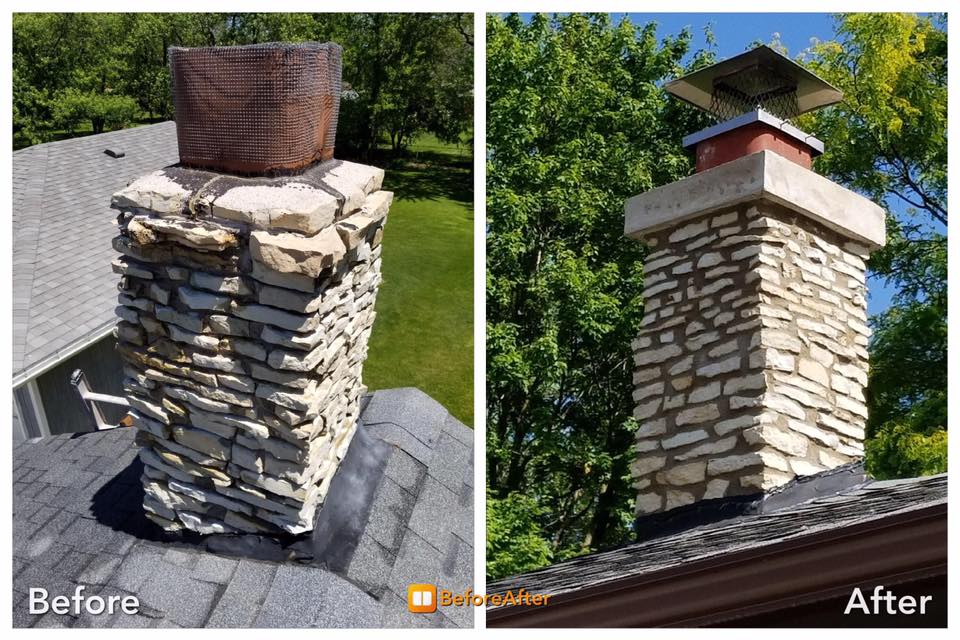
Annual chimney cleaning helps reduce creosote buildup, improve draft, and spot blockages before winter use. Professional sealing adds a vapor-permeable barrier that repels rain and snow without trapping moisture in masonry. Chicagoland freeze-thaw cycles can accelerate cracking and spalling when water gets into brick and mortar. Get a free quote from Chicagoland Fireplace & Chimney Restoration Company.
Get expert help from Chicagoland’s trusted chimney and masonry team. Whether you need a certified inspection, professional cleaning, or a complete restoration, our specialists deliver quality service at transparent rates.
We’ll assess your system, answer your questions, and provide honest recommendations for keeping your home safe and efficient. Fill out the form below, and our team will contact you to schedule your appointment or provide a free quote.

.png)
.png)
