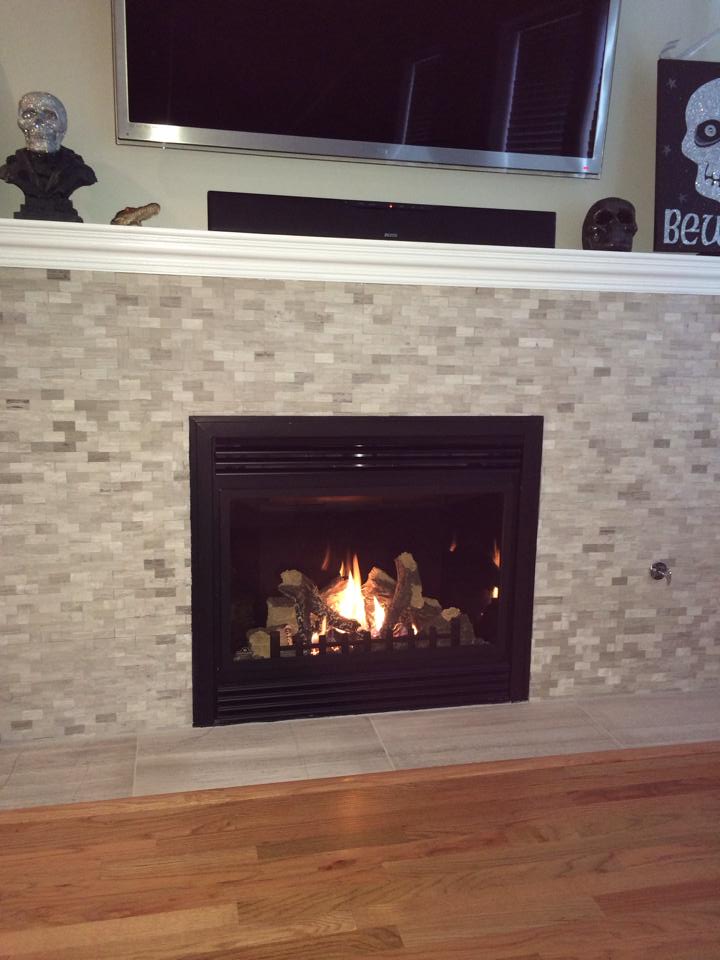
Arizona Weathered Oak Jumbo Gas Logs
Transform your fireplace with Arizona Weathered Oak Jumbo Gas Logs from Chicagoland Fireplace & Chimney Restoration. Oversized design, natural texture, and radiant heat performance for lasting beauty.
Read More
.jpg)
Winter leaves a mark on fireplaces, chimneys, brickwork, flashing, liners, crowns, and masonry systems throughout the Chicagoland area. Long heating seasons, freeze-thaw cycles, snow accumulation, ice buildup, and spring rain can expose problems that were not obvious while the fireplace was in regular use. A fireplace may seem fine during winter, then show signs of damage once warmer weather reveals moisture stains, cracking mortar, rusted components, draft issues, or masonry movement. Spring is one of the best times to inspect the full system, complete needed repairs, and prepare the home before the next heating season returns.
Chicagoland Fireplace & Chimney Restoration helps homeowners identify the difference between normal seasonal wear and repair concerns that should not be ignored. A professional inspection can uncover hidden liner damage, water intrusion, creosote buildup, damaged flashing, cracked chimney crowns, deteriorated mortar joints, and airflow issues before they become larger structural or safety problems. Homeowners can schedule service through the free quote request page when they want a clearer understanding of repair needs, maintenance timing, or next steps for their fireplace and chimney system.
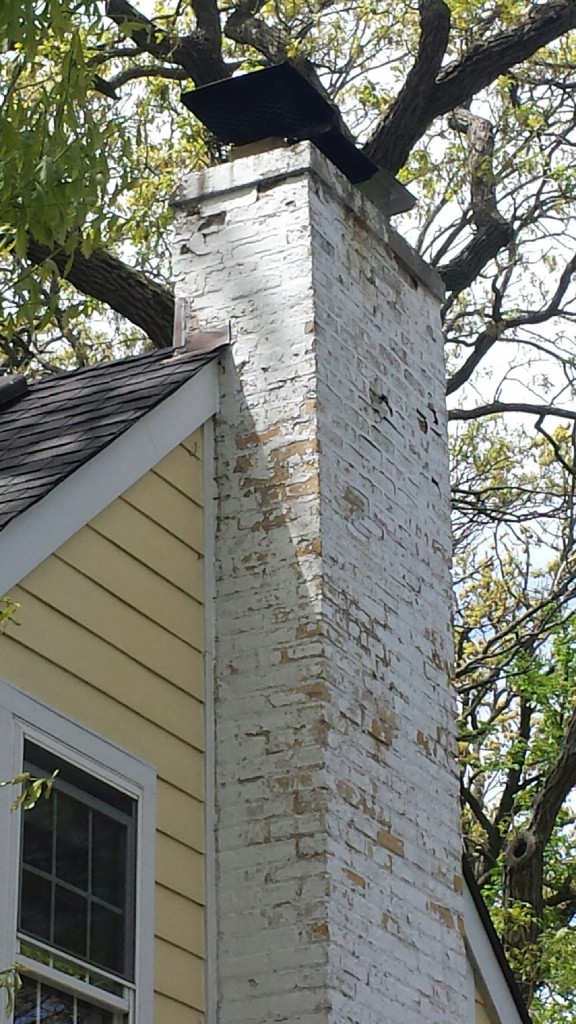
The Chicagoland climate is especially hard on masonry chimneys because temperatures often rise and fall around the freezing point throughout the winter and early spring. Water enters small openings in brick, mortar, chimney crowns, flashing seams, and other exterior components, then expands when it freezes. That expansion slowly widens cracks and weakens materials that may have looked stable only a few months earlier. Once spring rain arrives, those same openings can allow even more moisture into the chimney structure.
Many homeowners do not notice this damage immediately because much of the system is above the roofline or hidden inside the flue. A small masonry crack may not seem urgent from the ground, but it can be the beginning of a larger water intrusion problem. A certified chimney inspection gives homeowners a more accurate view of the system after winter weather has passed. The sooner these issues are documented, the easier it is to plan repairs before they become emergency work.
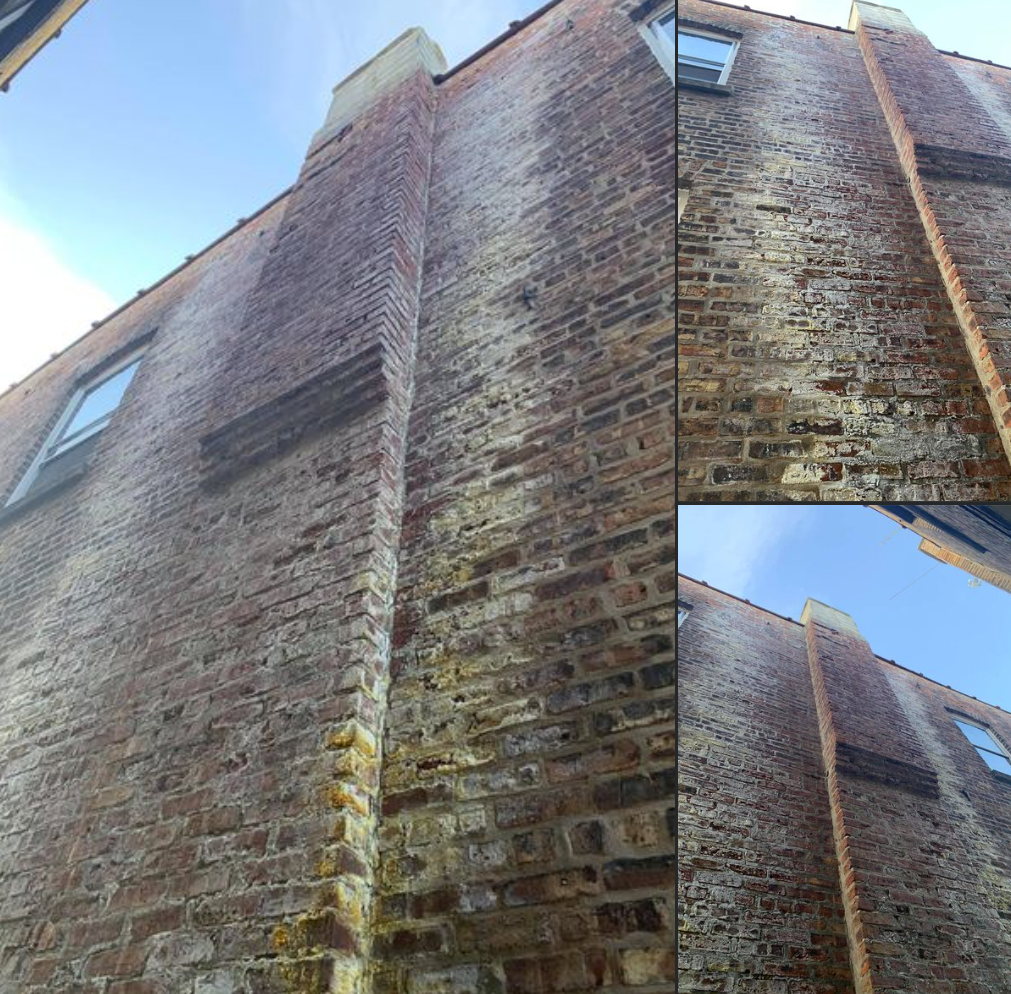
Brick and mortar deterioration is one of the most common spring chimney concerns in northern Illinois. Mortar joints can crack, crumble, wash out, or separate after repeated exposure to snow, ice, and moisture. Once the mortar begins to fail, the chimney structure becomes more vulnerable to water intrusion and movement. Small gaps can eventually lead to loose bricks, spalling surfaces, leaning sections, or larger structural repair needs.
Spring is a practical time to evaluate whether the chimney needs tuckpointing services for brick and stone, brick repair and replacement services, or broader masonry restoration service. Repairing mortar joints before summer storms and fall temperature swings helps protect the chimney from continued deterioration. Masonry repairs also improve the appearance of the home, especially when damaged brickwork is visible from the street or outdoor living areas. A professional review can determine whether the issue is cosmetic, structural, moisture-related, or connected to a larger chimney repair need.
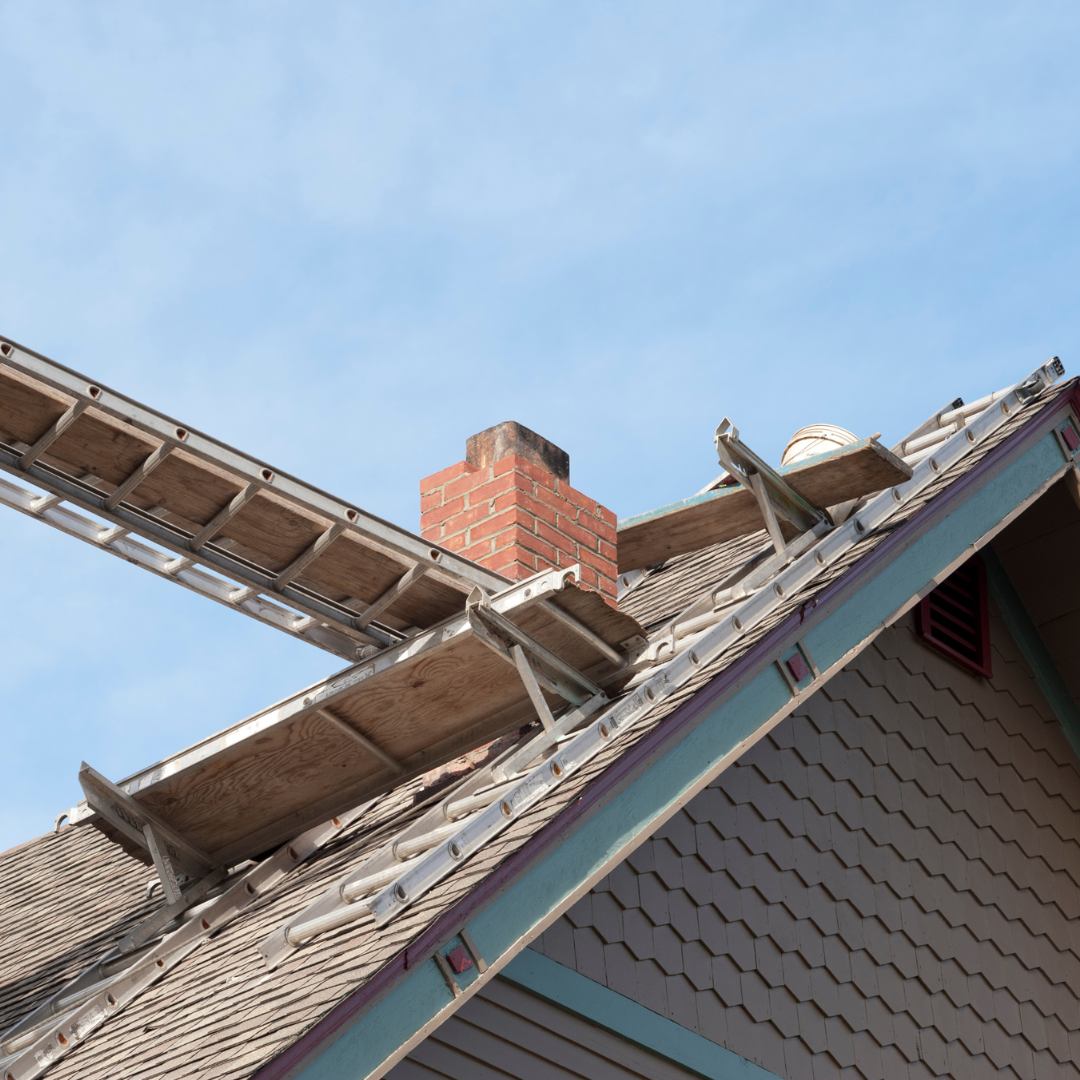
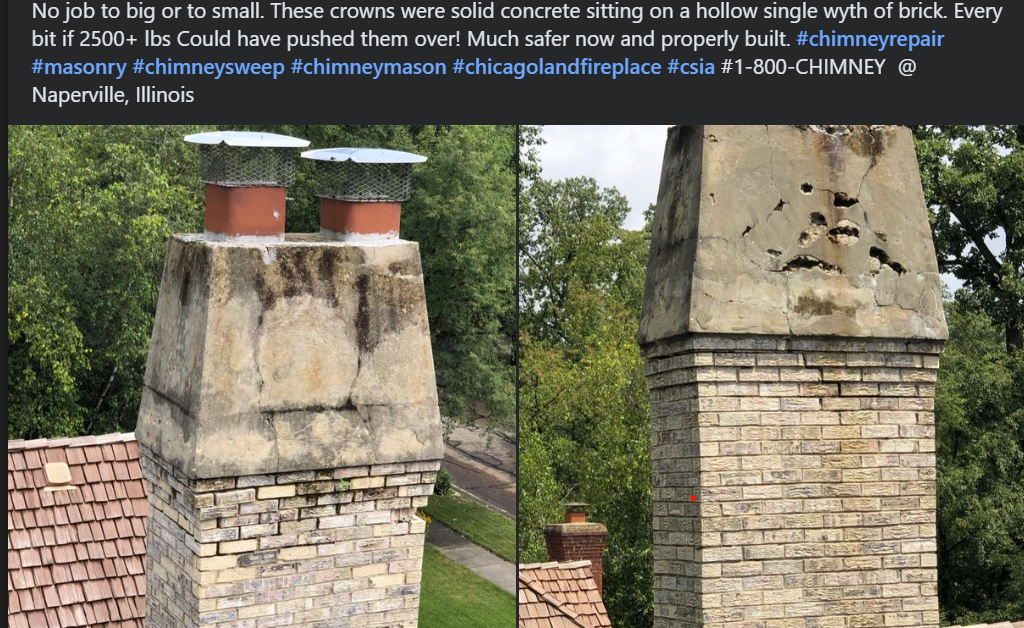
The chimney crown, cap, and flashing all work together to keep water out of the chimney and the surrounding roof structure. A damaged crown can allow water to enter from the top of the chimney, while missing or loose caps can expose the flue to rain, animals, leaves, and debris. Flashing problems can allow water to seep where the chimney meets the roofline. These issues often become more obvious in spring when rainwater moves through openings created during winter.
A chimney cap, crown, and flashing inspection can identify weak points before water reaches attic spaces, ceilings, fireboxes, or interior walls. Rusted flashing, cracked crowns, missing caps, and loose seal areas should be corrected before they cause more expensive damage. Moisture issues may also require a moisture intrusion and water damage chimney inspection to trace the source accurately. Finding the entry point matters because water stains inside the fireplace do not always reveal where the leak actually started.
White staining on exterior chimney brick is often a sign that moisture is moving through the masonry. This staining, known as efflorescence, appears when water carries salts to the surface of brick or mortar. The residue itself is not the main problem, but it often indicates that the chimney is absorbing or holding too much moisture. Damp smells inside the fireplace, dark staining in the firebox, or water marks near the chimney area should also be taken seriously.
Moisture problems can weaken masonry, damage liners, rust metal components, and create unpleasant odors during warmer months. A professional chimney repair evaluation can determine whether the issue is related to masonry cracks, flashing failure, crown damage, cap problems, or liner concerns. Homeowners should not wait until the next winter burn season to investigate moisture signs. Spring gives the chimney time to dry, repairs time to cure, and homeowners time to solve the issue before fireplace use returns.
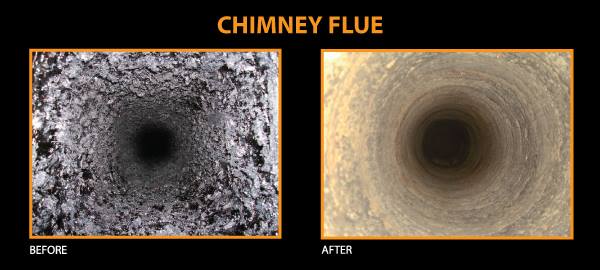
Wood-burning fireplaces leave behind soot and creosote during regular winter use. Even when the fireplace performed normally, buildup can remain inside the chimney flue after the season ends. Creosote is a fire hazard, and it can also contribute to strong odors when warm, humid spring and summer air moves through the chimney. A chimney that smells smoky during warmer weather may need cleaning rather than air fresheners or surface-level odor control.
Spring chimney cleaning and sweeping removes soot, debris, and creosote before it sits through the warmer months. Cleaning after the heating season also makes it easier to inspect the flue and fireplace system clearly. A follow-up annual chimney maintenance inspection can help homeowners stay ahead of recurring concerns. Regular maintenance is especially important for households that use the fireplace heavily during winter or noticed smoke, odor, or draft problems.
The chimney liner protects the surrounding masonry and helps carry smoke, heat, and combustion gases out of the home. Clay liners can crack, metal liners can corrode, and older systems may have gaps that are not visible from the firebox. Winter moisture and temperature changes can make existing liner issues worse. A fireplace can appear functional while still having liner damage that creates safety or efficiency concerns.
A flue camera inspection allows technicians to inspect areas that cannot be evaluated from the ground or the fireplace opening alone. If liner damage is found, professional chimney liner services may be needed to restore proper protection and venting. Liner concerns may also be reviewed during Level 2 chimney inspections or more advanced evaluations when conditions call for deeper review. Addressing liner problems early helps reduce risk before the fireplace returns to regular winter use.
Draft issues can show up as smoke entering the room, slow-starting fires, lingering odors, or inconsistent fireplace performance. These problems may be caused by debris, creosote buildup, flue sizing issues, pressure imbalances, liner damage, chimney height concerns, or competing mechanical systems in the home. Spring is a good time to investigate these concerns because the fireplace is not needed daily. That makes diagnosis and repair easier to schedule without disrupting regular heating-season use.
A chimney draft and airflow test can help identify performance problems that a basic visual inspection may not explain. Homes with combustion appliances may also benefit from a combustion analysis inspection or furnace flue inspection services. These evaluations are especially important when fireplaces, furnaces, boilers, and other venting systems share nearby spaces. Proper airflow supports safer operation and better long-term system performance.
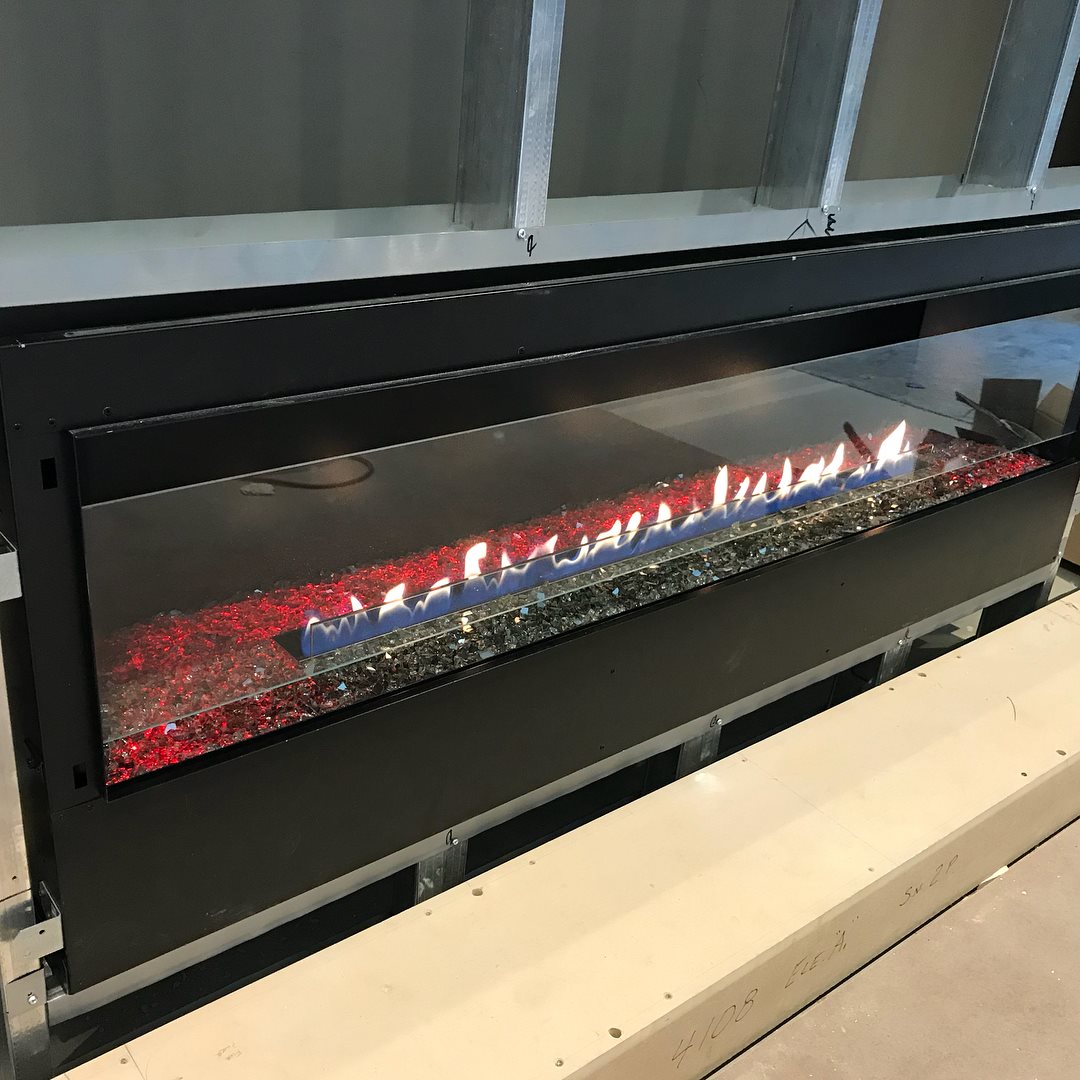
Gas fireplaces and gas log systems are often seen as lower-maintenance options, but they still require proper inspection and service. Ignition problems, weak flame patterns, damaged components, dust buildup, venting issues, and gas line concerns can affect safe operation. A gas system may sit unused for months after winter, which makes spring or summer a useful time to address service needs. Waiting until the first cold night often leads to avoidable scheduling delays.
Homeowners with gas systems can schedule gas fireplace repair services, gas log fireplace services, or gas fireplace installation services, depending on the condition of the system. Concerns involving possible leaks should be addressed through a gas line leak inspection. Fireplace inserts should also be reviewed through a fireplace insert inspection for wood, gas, or pellet systems. Proper service helps keep these systems reliable, efficient, and ready for the next season.
Fireplace damage is not always limited to the chimney exterior. The firebox, damper, lintel, surround, hearth, and interior masonry can also show signs of age or winter wear. Cracked brick, loose masonry, smoke stains, rust, damaged doors, and deteriorated mortar can affect both appearance and function. A fireplace that looks worn may also have underlying repair needs that deserve professional review.
Service options may include fireplace repair services, general fireplace service, or a full fireplace inspection. Structural areas may require lintel replacement services or additional masonry repair. A careful inspection helps separate cosmetic updates from safety-related repairs. Homeowners can then decide whether the project should focus on immediate function, long-term restoration, or a larger fireplace improvement plan.
Not every chimney needs the same level of inspection. A routine system with no changes and no known issues may only require a Level 1 chimney inspection. A property sale, appliance change, damage concern, or suspected hidden issue may call for a Level 2 chimney inspection. More serious concerns may require a Level 3 chimney inspection when access to concealed areas is needed.
Post-event inspections are also important after unusual conditions. A post-chimney-fire inspection can identify damage after a known or suspected chimney fire. A post-storm disaster chimney inspection can document damage after wind, hail, falling limbs, or severe weather. A smoke test inspection may also help locate leaks, draft concerns, or hidden venting problems. Matching the inspection level to the situation helps homeowners avoid guesswork.
Fireplace and chimney concerns often become more urgent during real estate transactions, insurance reviews, and property documentation requests. Buyers may ask about chimney safety, sellers may want issues resolved before listing, and insurance carriers may require documentation after damage. These situations benefit from clear inspection reports and professional recommendations. Spring and summer are useful times to prepare before a sale, renovation, or coverage review becomes time-sensitive.
A real estate pre-sale chimney inspection can help homeowners identify concerns before a buyer’s inspection creates pressure. An insurance chimney inspection documentation service can support damage-related records when appropriate. Homes that need safety review may also benefit from a CO and smoke detector compliance inspection. These services help homeowners make decisions with better information and clearer documentation.
Commercial buildings, multi-unit properties, restaurants, mechanical rooms, and HOA-managed communities often have more complex chimney and venting needs than single-family homes. Multiple flues, shared systems, boilers, kitchen exhaust systems, and documentation requirements can make reactive repairs difficult to manage. A structured inspection and maintenance plan helps property managers stay organized. It also helps reduce confusion when repairs, code concerns, or insurance documentation are involved.
Commercial property owners can start with commercial chimney inspection services or an ongoing commercial chimney service. More specific needs may include commercial draft testing compliance inspection, commercial insurance inspection, and code compliance, or multi-flue commercial chimney inspection. Restaurants may require a restaurant chimney and kitchen exhaust inspection. Industrial sites and mechanical spaces may need industrial chimney inspection or boiler mechanical room chimney inspection.
HOA communities, condo buildings, townhome associations, and multi-unit properties often need consistent scheduling and organized service records. Individual owners may use fireplaces differently, but shared structures and common exterior systems still require coordinated care. Deferred chimney maintenance can create larger repair needs across multiple units. A proactive spring maintenance plan helps boards and property managers address issues before fall service demand increases.
Associations can schedule homeowners association fireplace inspection services or homeowners association chimney maintenance and repairs. Larger properties may also need multi-unit chimney maintenance and repair. Commercial-level inspections may be appropriate for larger shared systems, including commercial Level 1 chimney inspection, commercial Level 2 chimney inspection, or commercial Level 3 chimney inspection. Organized service helps reduce last-minute repairs and supports safer property management.
Chimney damage is often part of a larger masonry picture. Exterior brickwork, parapet walls, stone features, and masonry openings can all suffer from the same freeze-thaw cycles that affect chimneys. Cracked mortar, shifting masonry, open joints, and water-damaged surfaces should be reviewed before the next round of seasonal weather adds more stress. Spring gives property owners a better opportunity to evaluate exterior masonry when snow and ice are no longer hiding surface conditions.
Chicagoland Fireplace & Chimney Restoration provides masonry repair service, new masonry construction service, and parapet wall installation services for properties that need broader masonry support. These services can be especially relevant for older buildings, commercial properties, and homes with visible brick deterioration. Addressing masonry issues early helps protect structural integrity and exterior appearance. It also reduces the likelihood that water will keep entering through damaged brick or mortar joints.
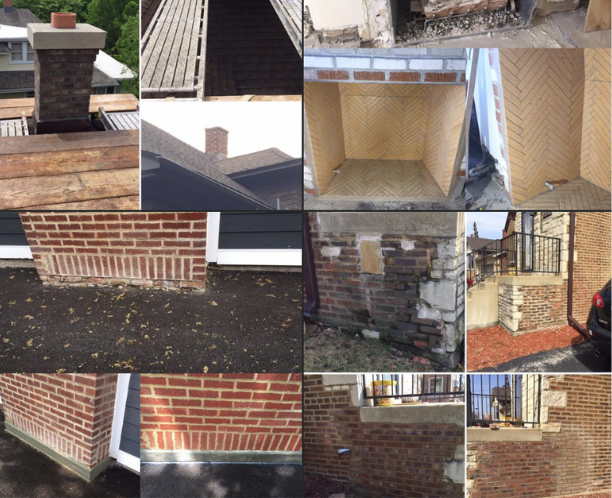
Some chimney problems go beyond minor repair. Severe masonry deterioration, leaning sections, widespread mortar failure, extensive water damage, or long-neglected structural issues may require a more comprehensive solution. A chimney rebuild or restoration is often easier to plan during spring and summer because weather conditions are more favorable, and fall scheduling has not yet reached peak demand. Earlier planning also gives homeowners time to understand the scope before the next heating season.
When damage is more advanced, chimney rebuilds and restorations may be the most practical path forward. A professional review can determine whether targeted repairs are enough or whether rebuilding part of the chimney will provide better long-term value. Larger projects may include crown work, brick replacement, liner service, flashing corrections, and masonry restoration. Spring planning helps homeowners avoid rushed decisions later in the year.
Many chimney issues start small enough to seem harmless. A hairline crack, a rusted cap, a smoky odor, a loose brick, or a small water stain may not feel urgent at first. The problem is that chimney systems are constantly exposed to moisture, temperature swings, wind, and seasonal use. Once deterioration begins, each season can make the damage worse.
Spring maintenance gives homeowners a chance to stop that cycle. A basic inspection may lead to a simple repair, cleaning, cap replacement, tuckpointing project, liner review, or waterproofing recommendation. Waiting can turn those same issues into masonry reconstruction, interior water damage, major liner replacement, or roofline repairs. A timely service visit helps protect the home, preserve the fireplace, and reduce the chance of expensive surprises.
Spring is one of the most practical times to inspect, clean, repair, and restore fireplace and chimney systems throughout the Chicagoland area. Winter may be over, but the damage it leaves behind can continue spreading through masonry, flashing, crowns, liners, fireboxes, and venting systems. Homeowners who act early have more flexibility, better repair conditions, and more time to prepare before the next heating season. A professional inspection gives clear answers before small problems become larger concerns.
Chicagoland Fireplace & Chimney Restoration provides chimney inspections, fireplace service, masonry repair, sweeping, liner work, gas fireplace service, commercial chimney inspections, HOA maintenance, and structural restoration services. Homeowners, property managers, HOAs, and commercial property owners can request service through the schedule a free quote page. Spring is the right time to find out what winter left behind. A well-maintained chimney protects the home, supports safer fireplace use, and keeps the full system ready for the seasons ahead.

Transform your fireplace with Arizona Weathered Oak Jumbo Gas Logs from Chicagoland Fireplace & Chimney Restoration. Oversized design, natural texture, and radiant heat performance for lasting beauty.

The Custom Copper Chimney Lid offers sleek, long-lasting chimney protection with handcrafted copper design. Ideal for minimalist or traditional rooflines.

Get inspired by Tudor-style chimney pots—blending old-world elegance and improved draft. These copper chimney accents add depth, durability, and period charm to your rooftop design.
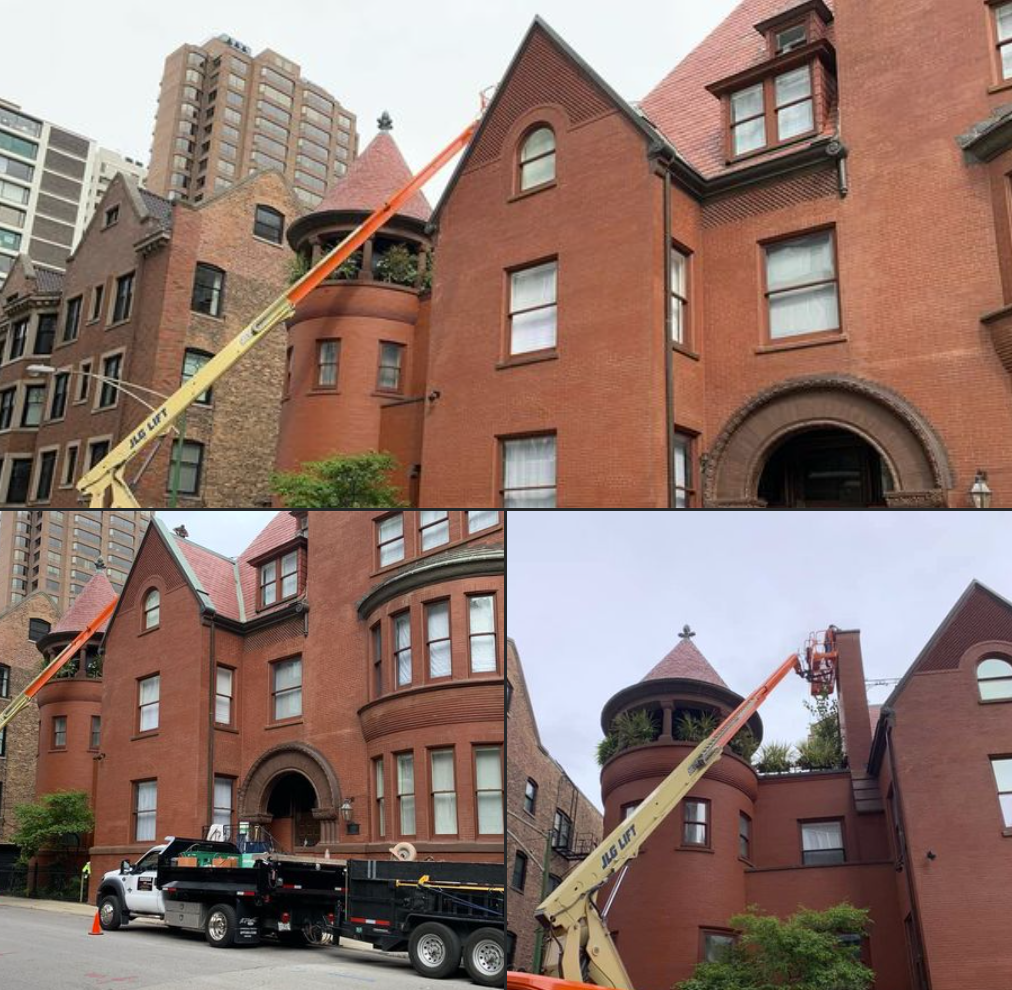
Winter can leave hidden damage in fireplace and chimney systems. Learn the spring repair signs Chicagoland homeowners should address before problems grow.
.png)
Chicagoland Fireplace & Chimney Restoration is hiring certified chimney technicians and in-house CSR roles. Experience considered with path to certification. Apply today.
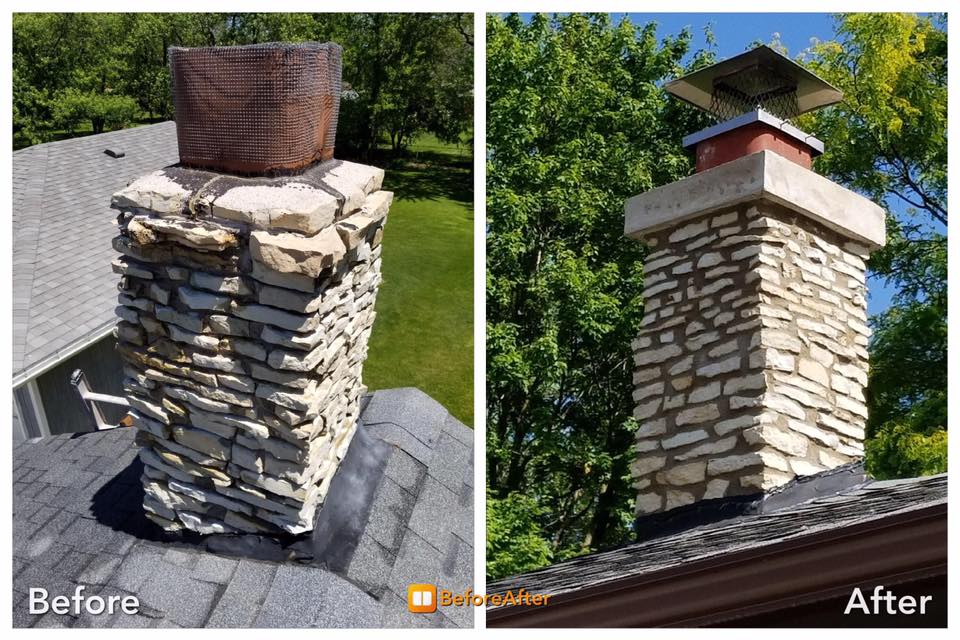
Annual chimney cleaning helps reduce creosote buildup, improve draft, and spot blockages before winter use. Professional sealing adds a vapor-permeable barrier that repels rain and snow without trapping moisture in masonry. Chicagoland freeze-thaw cycles can accelerate cracking and spalling when water gets into brick and mortar. Get a free quote from Chicagoland Fireplace & Chimney Restoration Company.
Get expert help from Chicagoland’s trusted chimney and masonry team. Whether you need a certified inspection, professional cleaning, or a complete restoration, our specialists deliver quality service at transparent rates.
We’ll assess your system, answer your questions, and provide honest recommendations for keeping your home safe and efficient. Fill out the form below, and our team will contact you to schedule your appointment or provide a free quote.

.png)
.png)